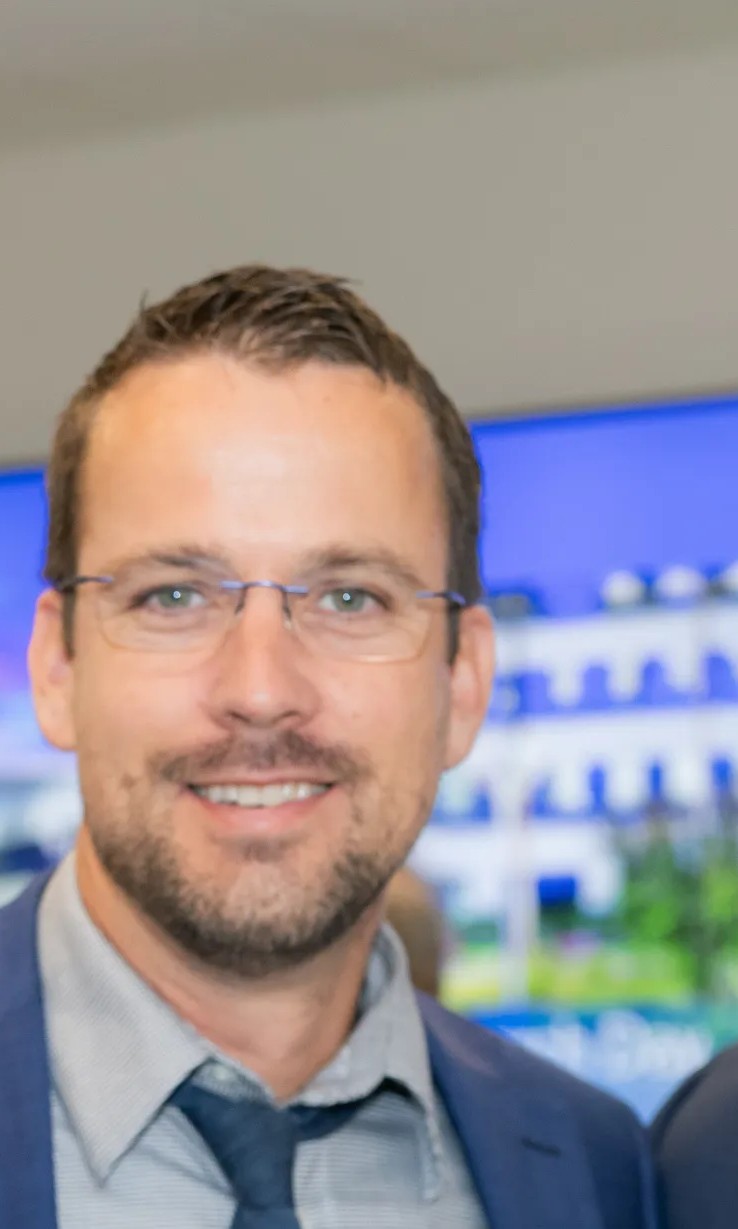
Matthew Siljander, MD

Speaking

Against all odds.

The talks are my story. Third of six kids, paying my own way. Waitlisted for medical school, then Mayo Clinic, then over 500 cases a year.

Then a diagnosis, years of operating while telling almost no one, and a last day I picked myself. How I made it against the odds, and how I kept going when everything was pushing me back.

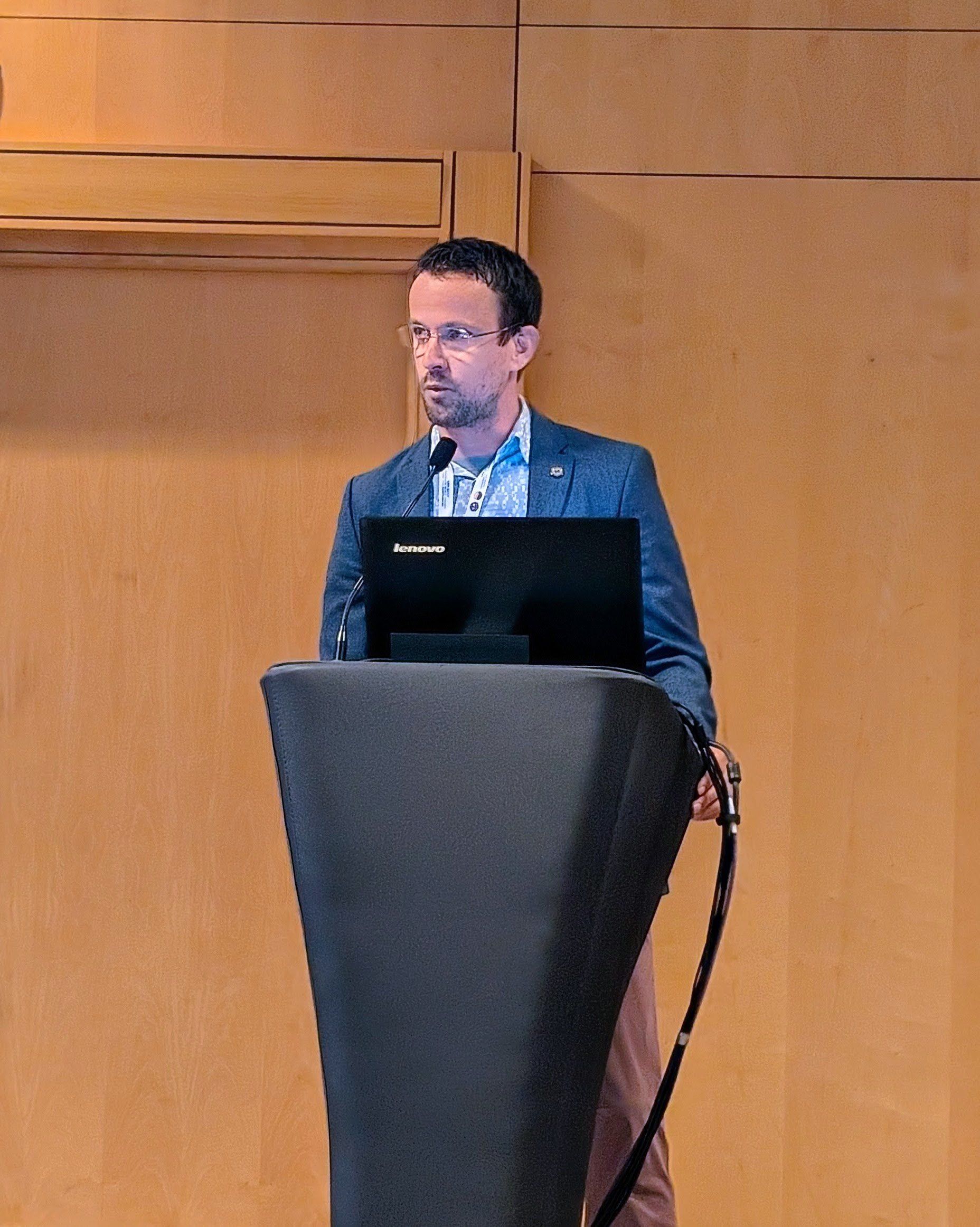
Matthew Siljander at the podium at SICOT 2025

Signature keynote

Against All Odds

The real truth is I didn't break. I stayed strong.

Told scene by scene. Some of the scenes: 254,448 seconds on a countdown timer, and the exam that would decide everything. A glass desk that cost me my credibility before I said a word. Then a cold bench outside a coffee shop on a Saturday morning. December 17, 2024. Six cases, and nobody in the room knew it was my last day. The last case ended. Then the music came on.

How I manage it

A diagnosis changed the plan. These are the moves I make to keep going, mostly from The Roadmap, the last section of my book.

Redesign the work

In the operating room I traded one continuous motion for two controlled motions I could make consistent every time. On stiff days at the park I rebounded and played defense instead of shooting. Most of what I loved survived a redesign.

Find your floor

Set a level below which you do not drop, no matter how bad the stretch gets. Mine right now is walks, shooting around, and the hill behind the house. Bad weeks go down to the floor, never to zero.

Put it in a box

I trained myself to be fully present in whatever room I was in. To put everything else in a box until I was ready to open it. I couldn't control how often it came into my mind. I could control how long I let it stay there.

True thing first

My mom's old rule was I have a good attitude, even when you didn't have one. I kept the structure and rebuilt the rule. True thing first, then go looking for the good one. On my worst recent day the true thing was a fever and a dead battery. The good thing was Tylenol and a decent night of sleep. Where somebody can hear it.

Take inventory

What do you have, and what do you have to work with. My hands changed. The planning, the reading of a problem, the teaching, the building, the father. All still there.

Forever

One of my kids asked if it was ever going to end. How long it was going to be like that. Forever, I said. Some answers you can soften for kids. That one I couldn't soften and keep it true.

From the story

Build

The email

A paid research job in college. They wanted me to train the person who would be the lead. I was angry and fired off a response in the moment. The reply was terse. Bring in your keys. Bring in your data. You're done. My ego loved the easy path. Prove them wrong. After the anger settled, I did the hardest thing.

Build

The dusty machines

The machines were covered in dust, bought for a lot of money and never even powered on. I got them back online. At first, calibrating them made the line scrap and waste material. For a while the project was costing money instead of saving it. I was the new guy with no credibility. The top two leaders were gone, and I was burning material on machines everybody had given up on. Then my boss came to my office and asked me for a date.

Lead

Two rooms

People said I would never be a two-room surgeon. That I wasn't fast enough. That I wasn't built for the volume this group expected. I heard all of it. And I kept going. One evening I was finishing my sixth case of the day, in one room, when I heard the anesthesiologist on the phone. It was 7 PM and we were still going. Other surgeons were done by early afternoon. The surgeons done by early afternoon had two rooms, and I had one. I was furious and didn't say a word during the case. I'm a numbers guy. I don't argue opinions blindly. I build a case on data.

Lead

2 AM

Second year of residency, 2 AM, over twenty ER consults already that night. Everything looked fine on paper. The textbook said wait until morning. My gut said something the exam didn't. I called my trauma attending and woke him up. He asked if I was telling him to come in right now. I said yes, nervously, and hung up with my heart pounding. What if I was wrong.

Lead

No blood

I was a year and a half into practice, facing a case I had never done. My mentor at Mayo had told me it would be easy. About an hour in, the anesthesiologist said something I was not expecting. By the way, we have no blood.

Break

The tile floor

A case that year marked the beginning of the end. We got through the procedure. Someone else closed. I walked into a single bathroom off the hallway and locked the door. Lay down on the tile floor. Stared at the ceiling. Breathing. Calming each muscle one at a time. Thinking this might be the day I cancel the next case with no explanation anyone would believe. Then a message came through. That case couldn't go. I lay on that floor and felt relief wash over me. It felt like God looking out for me. And like an answer to a question I had stopped asking. I held on longer than I should have.

Break

The bench

For years I lived by one rule. Don't make your condition a reason why you can't do the same as everyone else. But this was becoming no longer possible. Brita and I talked about it, and we agreed. It was time. A Saturday morning outside a coffee shop. My senior partner thought I was about to tell him I was leaving the group. I asked if we could sit outside. The bench was cold, and I shivered even though the air wasn't that cold. For years I had carried this alone, and I kept talking because I knew that if I stopped I would just start crying. He never interrupted. When I finally finished, he told me how to look at him.

Break

The conference floor

In November I flew to Dallas for AAHKS, the big annual hip and knee meeting. The keynote speaker was a man named Damon West. He had been to prison. Now he stood on stages telling his story. I watched it on the livestream from my hotel bed, because I couldn't walk down to the conference floor. He told a parable. Put a carrot in boiling water and it goes soft. An egg hardens. A coffee bean changes the water around it. Three days later I sent him a message. I told him some of what was happening to me. And I told him that someday I would share my story with the world. He wrote back.

Break

The drive home

I changed into a fresh pair of scrubs one last time. Kept my last head cover instead of throwing it away. Drove the five minutes home in silence, unsure of what was coming next. Fight Song was blasting through the open door before I made it three steps up the walk. The house was full. I had no idea.
Built for your room

The same story, pointed at what your audience needs most.

Mindset

The Good Thing Is

Finding the good thing does not mean calling the bad thing good. It means refusing to let the bad thing become the only thing that is true.

Trishelle heard me say it in the operating room. Brita heard it at home. My friend Joe pointed it out too. I didn't know I was saying it. If I had to point at the day it started, it would be the day an angry email got me fired. Then came the meeting where I had to swallow my pride.

Resilience

Be Your Own Wind

Every single step, someone or something said no. And every single time I found another way.

One interview, then a waitlist. So I spent a year and about $50,000 on a master's degree, and waited for one answer. This talk is about what you do with a no, and what you do while you wait for a yes.

Leading a team under pressure

I Care If You're Quiet

I don't care if you're wrong. I care if you're quiet.

Intern year, 1 AM. The ER attending had called me in to confirm what she already knew. I kept my voice level and said the line I knew would cause an explosion. Then she asked what I was doing 25 years ago.

Asking for help

Let Them In

The one skill I never built, my kids already had. I'm just catching up.

I kept my closest operating room team in the dark. They found out after I left, and the whole room put something together for me. I spent four years bracing for pity.

Leadership

Earn the Room

Before you can improve anything, you have to earn the right to change it.

A $250 glass desk from Office Depot, and a plant full of men who would not let me forget it. One instruction from the plant manager. Then, shortly after I started, the top two people in the plant were gone.

For surgeons and physicians

What Training Never Taught

To get better you first have to be willing to get worse at something you can already do.

A senior resident told me to relearn suturing right-handed. I'm left-handed. So I practiced alone on a hospital simulation station on the third floor. Years later, in a case where nothing was easy, I found out what the third floor built.

Who it's for

Everyone.

Anyone building a life or leading people. Companies, organizations, hospitals, surgeon groups, faith communities, and any room with people in it.

Formats

  • Keynote
  • Fireside conversation
  • Workshop
  • Grand rounds

Background

  • Grand rounds, Beaumont Orthopaedics, 2024
  • Research presented at AAOS and AAHKS over multiple years
  • Research presented at SICOT and ISTA, 2025

Press kit

Short bio

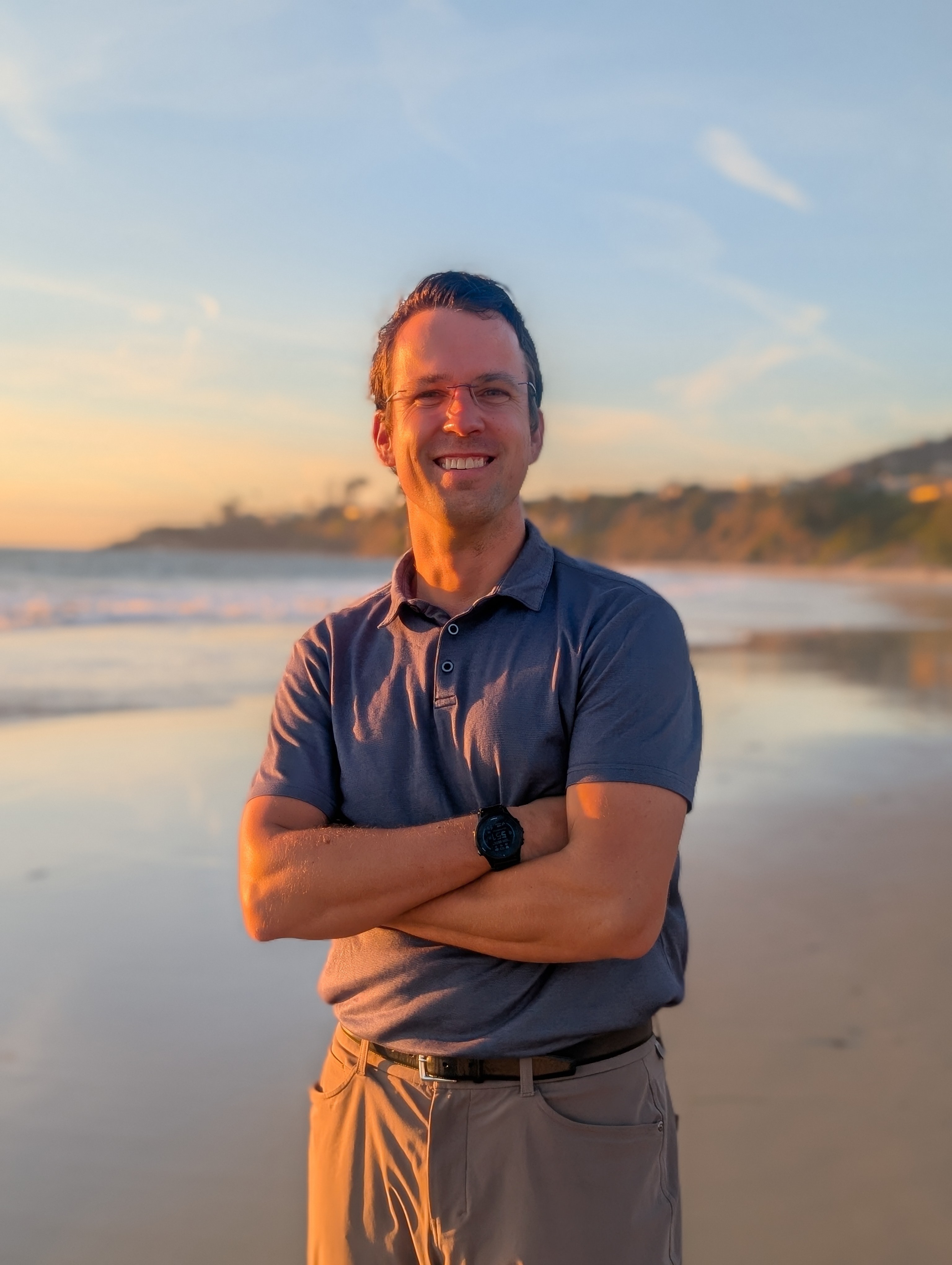
Matthew Siljander, MD, is an orthopedic surgeon, engineer, and writer. He trained at Mayo Clinic and built a hip and knee practice in Southern California, doing over 500 cases a year at his peak. Each week he writes Good Thing Monday. He wrote the novel City Boy and built the Bible app Lampway. His memoir is The Good Thing Is.

Long bio

Matthew Siljander, MD, is an orthopedic surgeon, mechanical engineer, and writer. He earned his engineering degree at the University of Michigan, then saved a Michigan vinyl siding plant over $2 million a year as its process engineer before turning to medicine. After a master's at Rosalind Franklin University and medical school at Chicago Medical School, he trained in orthopaedic surgery at Beaumont and completed a fellowship in hip and knee replacement at Mayo Clinic. Board certified by the American Board of Orthopaedic Surgery, he practiced at Newport Orthopedic Institute and Hoag Orthopedic Institute from 2020 to 2024, doing over 500 cases a year at his peak. He has 38 publications and a US patent. A diagnosis ended his surgical career sooner than planned. Now he writes Good Thing Monday every week, wrote the novel City Boy, built the Bible app Lampway, and is finishing his memoir, The Good Thing Is. He lives in Southern California with his wife, Brita, and their four kids.

Book a keynote

Tell me about the room. Date, audience, and what you hope people walk out with.

Or write to me directly: matthew@matthewsiljandermd.com