Other writing
One Breath at the Door
Published here
“They keep letting you in here?”
I threw open the door and stood there, hands up in mock exasperation, a big smile on my face.
That’s how I talked with some of my patients. They loved it, and so did I.
A few seconds earlier, I’d been standing outside their door, taking one deep breath.
Patients back to back. Flying between rooms. X-ray running behind. That was clinic on a normal day.
On top of all that, I was keeping a diagnosis to myself. There was a lot I was still trying to figure out, and I worried I wasn’t hiding it well.
So I started making myself stop before I opened each door. Then I’d burst into the room.
“Look who the cat dragged in.”
Or just, “Great to see you again. How’s that knee?”
It depended on who was in the room. I came in with energy, and in a couple seconds I could usually read the patient and adjust. Nobody wants to be the one yelling in a library.
However much time we had in that room, I wanted it to go to the patient and only the patient.
A patient once wrote, “The first thing he does is look me in the eye.”
In 2020, a group at Stanford published five practices in JAMA for helping doctors be present with patients. They reviewed 73 studies and watched 27 visits. The first practice was “prepare with intention.” Take a moment to focus before you greet the patient. Abraham Verghese, one of the authors, does it while he washes his hands before meeting a new patient.
Sophie Leroy at the University of Washington Bothell studies what happens when we switch tasks. Part of our attention stays with whatever we just left. She calls it attention residue and suggests taking a break between tasks or before a meeting.
I think that’s what the breath did for me. It helped me leave the last visit and, more importantly, my own worries in the hallway.
It works outside of clinic too. Try it before your next meeting or before you open your own front door tonight. OR before stepping out of your car.
One breath. Then look up. Take on whatever’s next.
And smile.
One breath. Then look up. Take on whatever’s next.
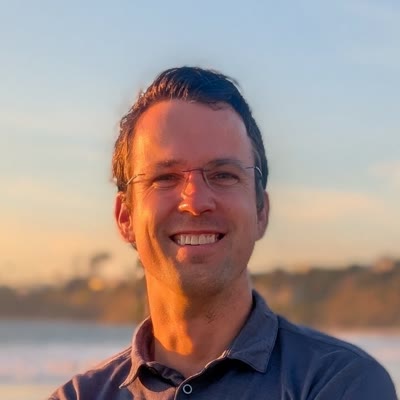 Matthew Siljander, MDmatthewsiljandermd.com