Other writing
Thank You, Doctor
Published here
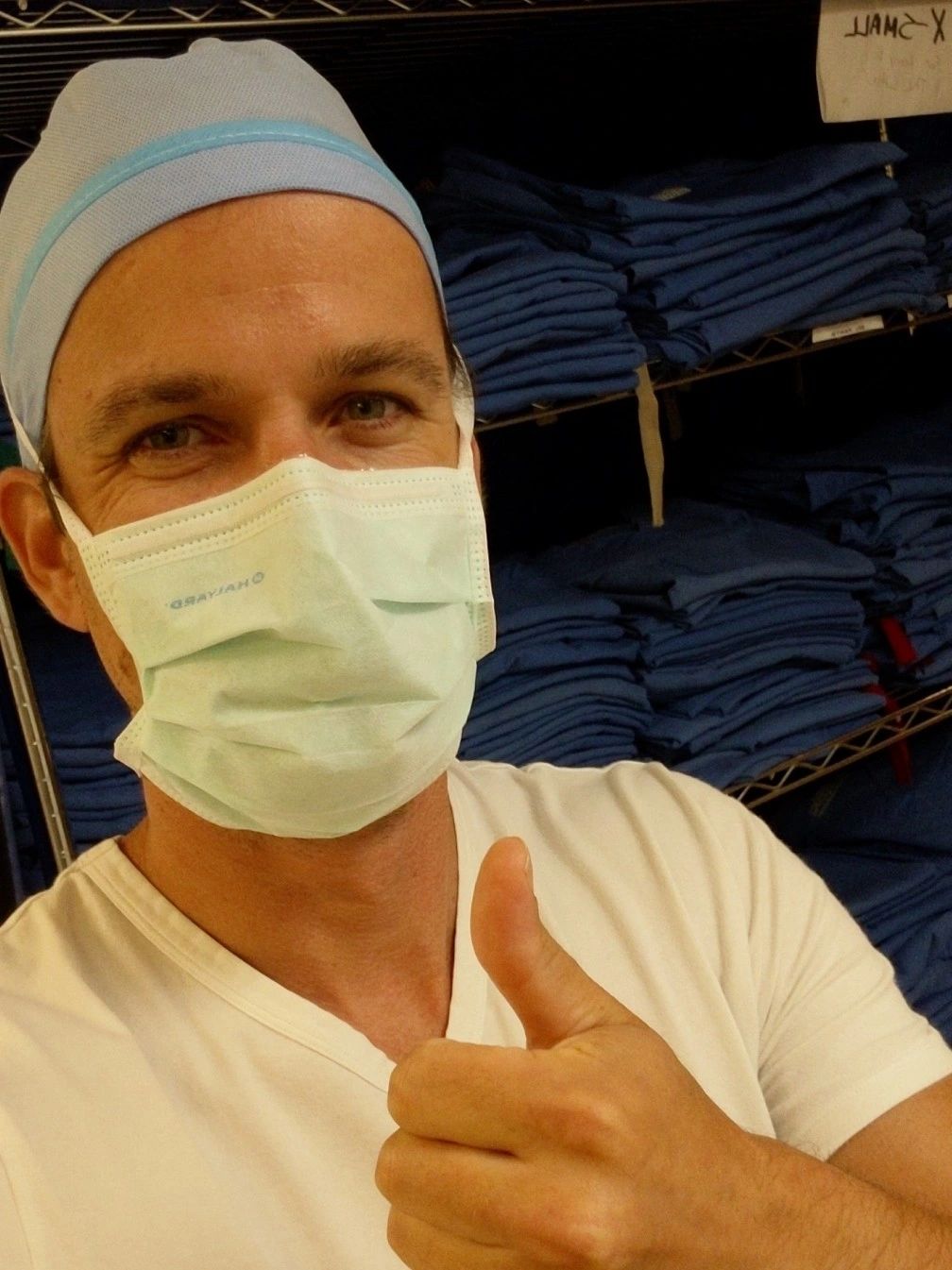
I made the incision, set the scalpel down, and reached for the Bovie.
It wasn't there.
This was a cadaver. It was weeks before I started my first job as a practicing orthopedic surgeon, freshly minted from fellowship at the Mayo Clinic. Very well trained, yet very nervous.
I had learned many different styles of doing a knee and was still fine-tuning exactly what my style was. Now I was at a whole new institution without all the same instruments, tools, and ways of doing things I trained with. I didn't want to "do it live." Wanted a dry run.
Two reps from the implant company I'd be using were there with me. It was very kind of them to set this up. I had written out every step, the instruments I needed, and how I would do each one. That list would change over time, obviously. The cadaver exposed a few inconsistencies.
Then came my first cases in practice. A knee in over 20 degrees of varus with a significant thrust, deformity, and some bone loss.
I went through it methodically. Wanted to get it right. Used a lot of the tricks I had learned along the way: large medial reduction osteotomy, significant release, and more.
By the end, I was happy. The kinematic guys probably wouldn't be. Now the knee was straight. Should it be there? That's for another debate.
The patient was very happy. He came into the office and said, "Thank you, doctor. Thank you, doctor." Every visit was "Thank you, doctor."
To a brand-new practicing surgeon, well trained but still developing comfort and confidence, that meant a lot.
I didn't want to "do it live." Wanted a dry run.
 Matthew Siljander, MDmatthewsiljandermd.com